

The AP1000 reactors at Plant Vogtle Units 3 & 4 were an important evolution in nuclear design. They were the first AP1000 units built in the U.S., and the first to use fully passive safety systems, modular construction and a standard design.
The nuclear industry is now working towards several next generation advancements in reactor design that are smaller and more modular than the AP 1000 units. Many of these projects utilize non-water elements to cool the cores and provide greater safety.
These smaller designs allow for factory construction to provide more quality and schedule control at a lower cost. Their output typically is in the range of 50-300 MWs and they incorporate the passive safety systems introduced in the AP 1000 units.
The goal of these advancements is to have generation that is scalable, flexible and dispatchable so that it can follow loads. Since the reactors use non-water elements for cooling, they aren’t restricted by boiling temperatures and can generate more heat, achieving greater fuel utilization. The higher temperatures allow power and industrial uses. The lower pressure reduces the need for high-pressure materials, improving safety with reduced risk of severe accidents, while lowering cost.
Types of New Nuclear Technologies
Micro Reactor – small reactors that produce up to 50 MWs, have a 10 to 15-year fuel cycle and are designed to be transportable by truck, rail or air. As such they can provide energy for military bases, mining operations, remote communities and areas impacted by natural disasters.
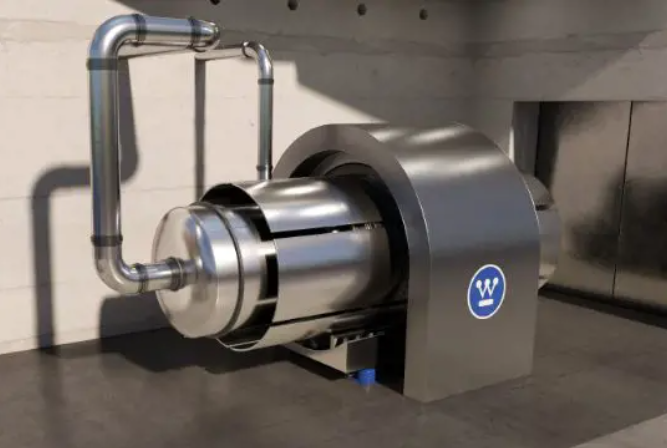
Light Water Reactor – a downsized version of a standard large water reactor that has a 12 to 24-month fuel cycle. These units are scalable and built with modular construction.
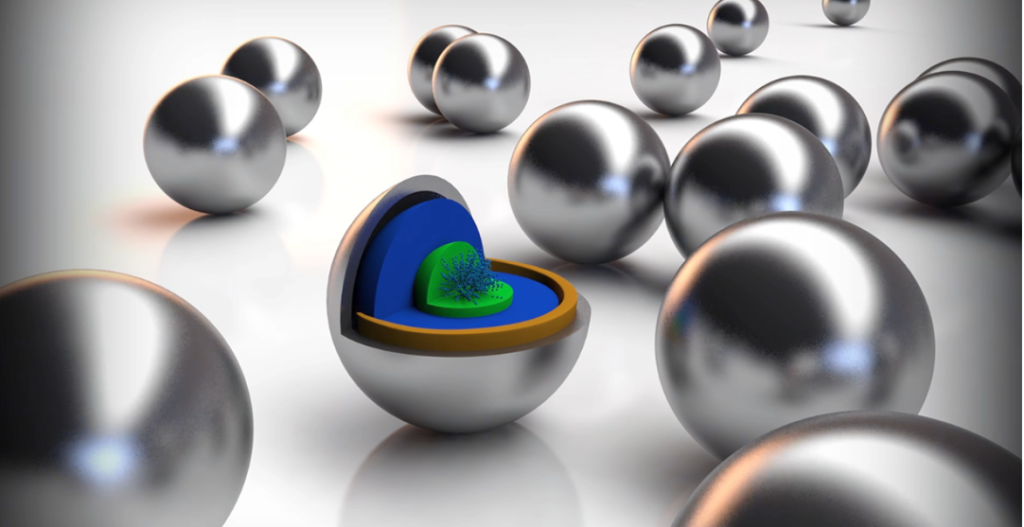
High Temperature Gas Reactor – uses helium to cool the reactor and uranium encased in graphite pebbles as the fuel. These reactors can be refueled while they are still online, and no cooling fluid is needed.
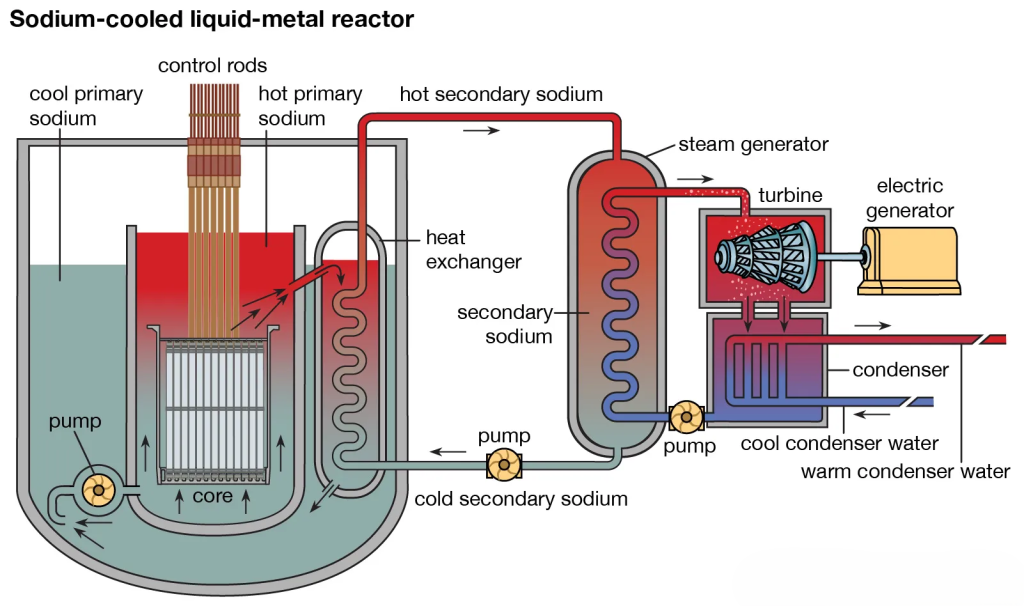
Liquid Metal Reactor – uses a liquid metal, such as sodium, to cool the reactor. The hot sodium also can be transferred to a thermal storage facility for later use, in addition to being used to create steam to turn a turbine.
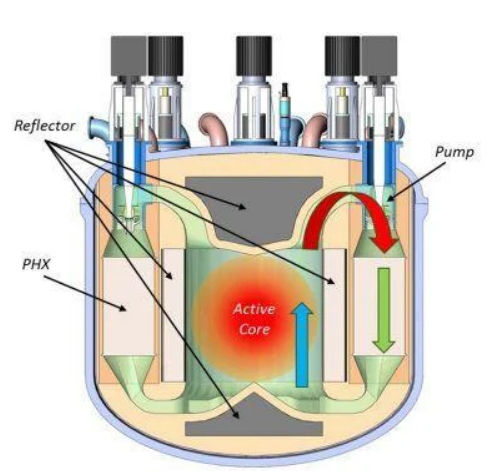
Molten Chloride (salt) Reactor – doesn’t use fuel rods like a standard nuclear reactor. Instead, the uranium is mixed into the liquid salt which serves as the fuel. They also run at or near atmospheric pressure, eliminating the need for expensive, heavy pressure vessels. TerraPower, in partnership with Southern Company and Idaho National Laboratory, is one of the companies testing this technology.
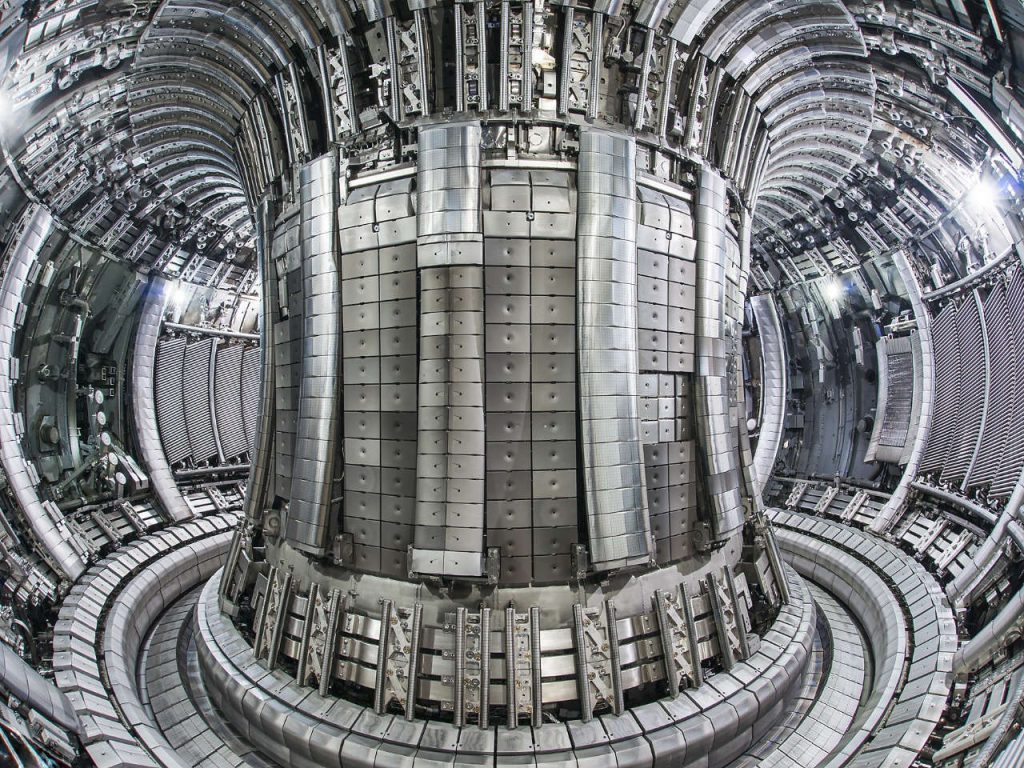
Fusion Reactor – combines atoms to create energy, instead of splitting them like traditional nuclear reactors. This is seen as the pinnacle of nuclear energy as it produces no waste, it uses readily available and cheap hydrogen (water) isotopes, and can produce near limitless MWs. This technology is seen to be at least 20-30 years away from viability.


Current is published by MEAG Power
1470 Riveredge Parkway, N.W., Atlanta, Georgia 30328 | www.meagpower.org | (800) 333-MEAG